
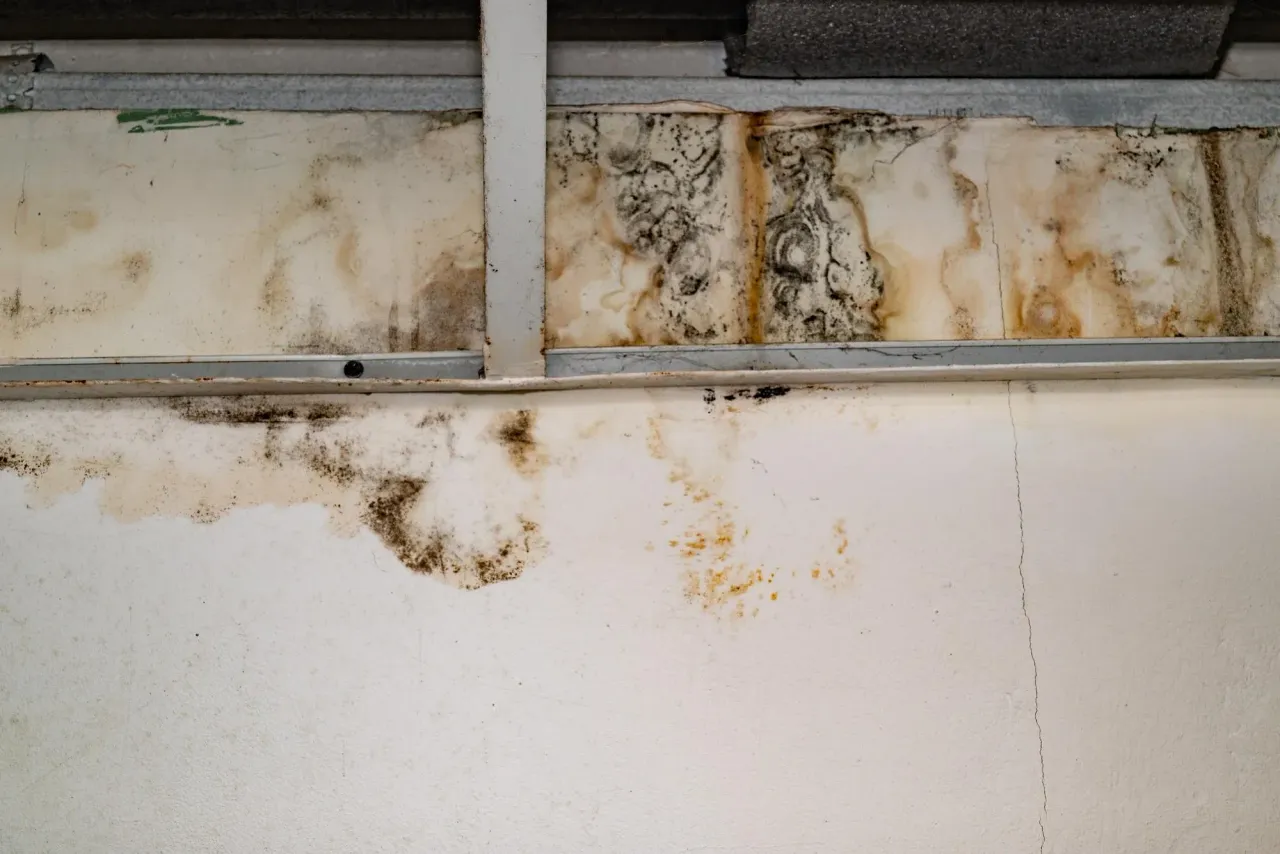
Mold Testing in Lapeer and all of Michigan
Contact us
Accurate Mold Testing Services, Grounded in Science
House to Home Complete Structure & Property Inspection LLC provides rigorous Mold Testing in Lapeer and Detroit, MI for homeowners, buyers, property managers, and real estate professionals who need documented, laboratory-verified answers about mold conditions in a property. Mold is present in virtually every indoor environment at some level. The question isn't whether it exists — it's whether concentrations are elevated, what species are present, where they're coming from, and what the implications are for occupant health and property condition.
Guessing doesn't answer any of those questions. Testing does.
Our mold testing protocols combine proper sample collection methodology with accredited laboratory analysis and professional result interpretation — giving clients the specific, defensible information that drives informed decisions rather than unnecessary alarm or false reassurance.
Contact Us to Schedule Your Mold TestingOur Expertise
Mold Testing Viable and Non-Viable
Mold testing viable and non-viable sampling methods each answer different questions, and knowing which approach — or combination of approaches — applies to a given situation is what separates a professional engagement from a generic one. Non-viable testing identifies mold spores present in air or surface samples regardless of whether they're alive, providing a count and identification of species present. Viable testing cultures living spores to identify actively growing mold colonies. Both methods have specific applications. House to Home selects the appropriate protocol based on the property's conditions and the client's specific assessment goals — not a default approach applied to every situation.
Mold Inspection and Testing
Mold inspection and testing are most effective when conducted together. Inspection identifies the conditions, locations, and moisture sources associated with mold risk — directing sampling to the areas most likely to produce meaningful results. Testing without inspection produces data without context. Context is what makes laboratory results actionable, and actionable results are what clients actually need when decisions are on the line.
Air Mold Testing
Air mold testing — also called air sampling or spore trap sampling — collects airborne mold spores from the indoor environment and compares concentrations against outdoor baseline samples. Elevated indoor concentrations relative to outdoor baseline indicate active mold growth somewhere within the building envelope, even when visible growth hasn't been located. This is usually where people run into problems: visible mold gets remediated, but air quality testing wasn't conducted to confirm the remediation was complete and concentrations returned to normal levels.
Mold Air Quality Testing
Mold air quality testing serves occupants with health concerns, buyers evaluating properties with moisture history, and property managers responding to tenant complaints. Indoor air quality findings establish whether airborne mold concentrations represent a health concern for the building's occupants — information that matters regardless of whether visible mold growth has been identified.
Black Mold Testing
Black mold testing addresses the specific concern around Stachybotrys chartarum — the species commonly referred to as black mold — which requires laboratory identification to confirm. Visual appearance alone cannot identify mold species. Dark-colored mold growth may or may not be Stachybotrys. Only mold lab testing with species identification through microscopic analysis or culturing can confirm what's actually present. House to Home collects samples correctly and submits them to accredited laboratories that provide species-level identification.
Mold Swab Testing
Mold swab testing collects surface samples from visible or suspected mold growth areas for laboratory analysis — identifying species present, confirming whether visible discoloration is mold rather than another substance, and documenting conditions at specific locations within the property. Combined with mold spore testing through air sampling, surface swab results build a complete picture of mold conditions throughout the property.
Why Professional Mold Testing Beats Store-Bought Kits Every Time
Consumer mold test kits are designed to find mold. They almost always will — because mold spores settle on every surface in virtually every indoor environment. A positive result from a store-bought kit tells you mold exists somewhere in the universe. It doesn't tell you whether concentrations are elevated, what species are present, where growth is occurring, or whether the conditions represent any meaningful health or property risk.
Professional mold testing uses calibrated air sampling equipment, validated surface collection methods, and accredited laboratory analysis under chain-of-custody protocols. Results are compared against established reference ranges and outdoor baseline samples — the comparison that actually tells you whether indoor conditions are abnormal.
Most remediation scopes that turn out to be insufficient trace back not to poor remediation work, but to inadequate pre-remediation mold inspection and testing. If the full extent of mold conditions isn't documented before remediation begins, there's no way to confirm the work addressed everything that needed addressing. Post-remediation mold air quality testing is what closes that loop.
Mold Testing in Lapeer and Detroit, MI from House to Home Complete Structure & Property Inspection LLC provides the documentation that makes every subsequent decision — negotiate, remediate, accept, or walk away — an informed one.
About Us: House to Home Complete Structure & Property Inspection LLC
House to Home Complete Structure & Property Inspection LLC is a <a href="/" style="text-decoration: underline;">certified inspection firm</a> delivering Mold Testing in Lapeer and Detroit, MI alongside our <a href="/home-inspection" style="text-decoration: underline;">full property inspection capabilities</a>. Mold assessment is a core component of our environmental services — conducted by inspectors who understand Michigan's specific mold risk conditions and the testing protocols required to document them accurately.
Michigan's climate — the humidity, the long winters, the freeze-thaw cycling that stresses building envelopes — creates persistent mold risk conditions in both residential and commercial properties. Our inspectors bring direct field experience with how those conditions manifest in <a href="/service-areas" style="text-decoration: underline;">Lapeer County properties</a>, Detroit's older urban housing stock, and the full range of Michigan property types in between.
We don't perform mold remediation. Our findings reflect conditions as they exist — documented honestly, interpreted professionally, and explained clearly to every client who needs to act on them.
See Our Recommend Realtors
Why Choose Our Services?
Viable and Non-Viable Testing Protocols Selected for the Situation
Residential mold testing and commercial mold testing engagements from House to Home use testing protocols matched to the specific assessment goals — not a default package applied regardless of what the property warrants. Viable and non-viable sampling, air sampling, surface swabs, and bulk sampling are all available and deployed based on what the inspection findings and client needs actually call for.
Accredited Laboratory Analysis with Results You Can Understand
Mold lab testing through House to Home uses accredited laboratory partners with documented quality assurance protocols. Species identification, spore counts, and comparative baseline analysis are all included where applicable. Results are delivered with professional interpretation — what the findings mean, how they compare to reference ranges, and what the appropriate next steps are. Raw laboratory data without explanation isn't a service. It's a starting point for confusion.
Michigan Mold Risk Knowledge That Informs Every Engagement
Indoor mold testing in Michigan requires understanding the specific conditions that drive mold growth in this climate. Basement moisture from hydrostatic pressure, attic condensation from inadequate ventilation, bathroom and kitchen moisture accumulation in older housing stock, and HVAC system contamination are all common Michigan mold pathways. Our inspectors understand these patterns and direct testing to the locations most likely to produce meaningful findings.
Certified, Insured, and Chain-of-Custody Compliant
Every home mold testing engagement is conducted by a licensed, insured professional following established sample collection protocols with documented chain-of-custody handling. Results carry the credibility required for real estate transactions, insurance claims, legal proceedings, and health department reviews where applicable.
Looking for Mold Testing Near Me?
Property owners and buyers searching for mold testing near me in <a href="/service-areas" style="text-decoration: underline;">Lapeer or Detroit</a> need more than a firm that can show up with a sampling kit. They need inspectors with the background to design appropriate testing protocols, the laboratory relationships to produce accredited results, and the professional capacity to explain what those results mean for the specific property and its occupants.
House to Home Complete Structure & Property Inspection LLC serves both markets with exactly that. If mold testing near me is your search in Michigan, the answer is a firm that takes mold assessment as seriously as every other property condition it evaluates.
No alarmism. No default packages. Just thorough Mold Testing in Lapeer and Detroit, MI from a firm built to do this work correctly.
Call (810) 895-1836 today to schedule your inspection with House to Home Complete Structure & Property Inspection LLC.
Contact Us to ScheduleFrequently Asked Questions (FAQs)
Mold testing viable and non-viable methods serve different purposes. Non-viable testing — the most common approach — identifies and counts mold spores in air or surface samples regardless of whether they're living, providing species identification and concentration data. Viable testing cultures living spores to identify actively growing mold colonies. Non-viable air sampling is appropriate for most real estate and indoor air quality assessments. Viable testing adds value in specific situations — post-remediation verification, health investigations, or cases where identifying actively growing colonies is the primary objective. House to Home helps clients determine appropriate protocol based on their specific situation.
Search mold testing near me as a starting point — then verify that the firm uses accredited laboratory partners, follows chain-of-custody sample collection protocols, and provides professional interpretation alongside raw results. House to Home Complete Structure Inspections LLC serves both the Lapeer and Detroit markets with certified inspectors, accredited mold lab testing, and professional result interpretation included as standard.
Visual appearance cannot identify mold species — including Stachybotrys chartarum, commonly called black mold. Dark-colored growth requires black mold testing through laboratory analysis for species confirmation. House to Home collects surface swab or bulk samples from suspected growth areas and submits them to accredited laboratories that provide microscopic identification. The result tells you definitively what species are present — which is the only reliable basis for health risk assessment and remediation planning.
Mold inspection and testing together are appropriate when visible mold growth is present and species identification or concentration data is needed, when moisture conditions suggest active growth that isn't yet visible, when occupants are experiencing health symptoms potentially associated with mold exposure, or when a real estate transaction requires documented mold condition findings. Inspection alone may be sufficient for an initial assessment — but testing provides the laboratory documentation that supports negotiations, remediation scoping, and post-remediation verification.
Post-remediation mold air quality testin g confirms that airborne mold spore concentrations have returned to normal levels following remediation work — providing documented evidence that the remediation was complete and effective. Without post-remediation air sampling, there's no objective basis for confirming the work addressed all affected areas. Air mold testing before and after remediation creates the documentation chain that protects property owners, satisfies lender requirements where applicable, and gives occupants confidence that the remediated space is safe.