Blog

May 4, 2020
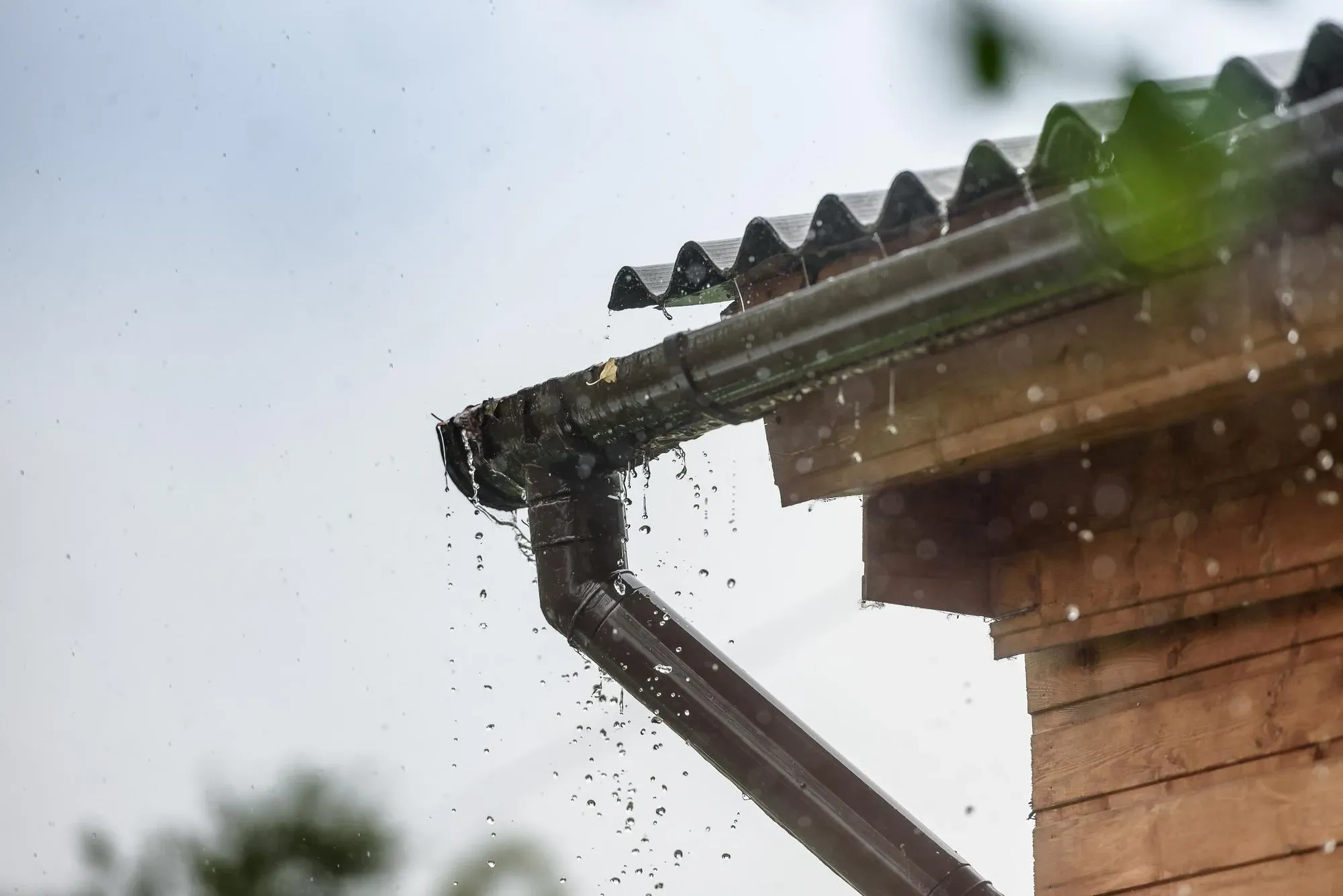
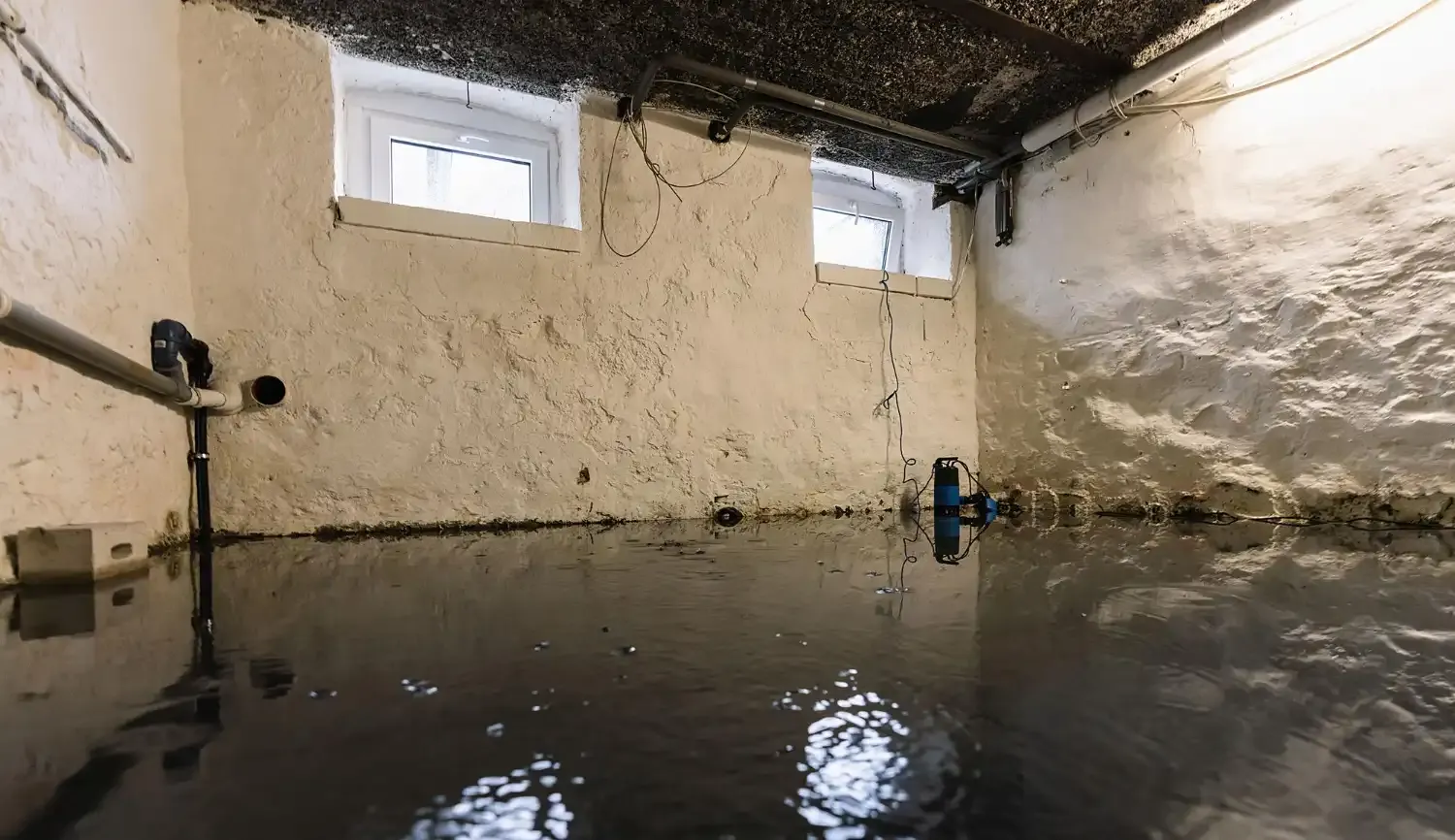
Spring has sprung in Michigan folks, this is the time to address all the little things that most homeowners either just live with, or don’t realize what effects may happen from the little things. Spring rains are our friend for the earth and growing season but can be destructive to our homes if missed things aren’t corrected. The number one reason for wet basements is a lack of gutters, the second biggest cause is incorrect grade around the home. Although there are a few more that can be elusive to see & very expensive to fix such as
November 18, 2019
In our quest as homeowners to become more energy efficient, here are a few tips for saving energy in the winter months.
March 26, 2019
The Perma-Frost is now melting in Michigan. This means our rivers, streams and ditches are overflowing, the water table is rising, and saturated ground can not absorb the water. The result? Standing water everywhere. If the grade and swale at your home and property’s not moving the water away from your home, and “channeling” (proper slope and swale) chances are, you have wet foundation walls, in many cases this water transfers through the wall, seeps up from underneath and causes havoc. A good working sump pump will help, but you must run the drain as far away from the home as possible. Also make sure your sump drain line has a working check valve, if it is not, or not present, your pump will work overtime, as the water in the drain line can return to the sump pit, thus making the water fill much faster.  Crawl spaces are particularly vulnerable to flooding, dry rot, and spider infestation due to water. The majority of the crawl spaces here in Michigan have dirt floors, and many don’t have an active sump system. Homeowners tend not to go into the crawl (some never do) and therefore have no clue if the crawl is flooded, or worse, has dry rotted wood. here are a few examples of what we have seen in the last few Inspections. Heavy structural damage from dry rot, and sump pumps that have failed, because the homeowner never knew they were there, leaving standing water. Your home can actually drop at the foundation wall (or anywhere for that matter) due to dry rotted beams, joists, plate, or bond.
January 29, 2019
Ever wonder why your house and deck make cracking one popping sounds when temperatures reach dangerous lows?  It's the basic laws of physics, according to Norbert Delatte, civil and environmental engineering department chairman and professor at Cleveland State University. "Pretty much all building materials – wood, concrete, steel – expand with heat and contract with cold," Delatte said. "The foundation of a house stays at a more normal temperature where the outside of the house is trying to shrink against it, so whatever connections there are between the foundation and home, they would be making some noise." Sound travels further through the cold, dense air and the lack of activity overnight make the noises sound louder then they would during the day, he said. The concrete foundation "footers" on houses are constantly shifting depending on the temperature and moisture in the ground. In extreme cases, the ground freezes, cracks and shakes slightly — what's known as a cryoseism, or "frost quake." Nails can contract and slip in wooden homes, creating a "pinging" sound, wooden floors can also be louder in the cold. When everything contracts, flooring will become a little tighter, and when you walk on it you will really hear those sounds. The wooden deck attached to the back of his home may sound like a firecracker, or gun shot going off from what could be a result of joints and nails shifting as they contrast against one another. In most cases, these noises indicate minor movements that do not typically cause damage, but popping noises can also be serious, and you should closely investigate around all doors and window frames after hearing this noise. Door and window frames are openings that can be a weakness in s structural design if not correctly supported with a header and doubled studs. Also check beams and posts as they bare the heaviest weight of the structure.
January 24, 2019
With the recent cold snap, we are seeing condensation in attics in the form of frost. When the sun hits the roof, the frost melts. In some cases, condensation is seen on interior ceilings and upper walls. This can result in serious damage to your home. See the article below that we are reposting from Holland Roofing. Leak type #3 is this exact scenario. There are basically 3 types of roof “leaks” which are detailed below. The solution to your roof moisture issues depends on what type of “leak” it is. If you notice excessive moisture during extreme temperature changes, and not when it rains, then the moisture probably isn’t a roof leak. The following information should help determine what issues you might be experiencing and what you can do to alleviate condensation.
November 9, 2018
Winter is upon us here in. Michigan. It’s that time of year to batten down the hatches, and protect our biggest investment. Here are a few easy to do items that will save money, help prevent deterioration, and keep you warmer.
November 23, 2016
During the inspection in the master bath, we noticed moderate water damage to the interior of the vanity under the sink. When we tested the single handle faucet, the cold water did not turn on at the sink. After a closer look, we determined the cold water valve under the sink was shut off. We turned the water on, and immediately noticed a pinhole leak in the cold water supply line. Being a single handle faucet, it would have been very easy to just turn the faucet on. Without actually testing to verify you have both hot & cold water, and making sure the hot water gets hot, & cold water stays cold, this may not have been discovered. Again, a great example of why a home inspection is necessary.
November 23, 2016
In today's aggressive real estate market, it's easy to get caught up with the hurry to purchase a home. In other words, good homes go fast, so buy it or loose it. Buying a home is an emotional experience, and since it's, in many cases, the largest investment many folks will make in their lifetime, it is extremely wise to have the home inspected prior to committing a purchase agreement. Nothing could be worse than purchasing a home, and later realizing one, or numerous deficiencies exist that were overlooked, or not visible at all. Many times we allow our excitement of the home buying experience to put our blinders on. We are so excited about the layout, the fireplace in the living room, the walk out basement etc. That we fail to see things like a moisture line in the basement indicating a past flood event. Or cracks in the garage floor, maybe a differential movement on the roof showing a bow, or uneven surfaces. The importance of a home inspection can bring out the things you need to know before you purchase. Many items are simple things that most every home owner can take care of themselves, and most are typical maintenance items. However, when it comes to things we can't see like overloaded circuits in the electrical panel, or lack of moisture barrier in the attic, a heating system that's seen or is close to its mechanical life, or even a negative slope in the yard that runs water to toward the house instead of away from it.  These items may require a bit more to correct, and you may not want to take them on. Home inspections are NOT designed to loose or gain a sale in any way, simply put the inspection report is a "Factual Report" nothing less, and nothing more, they are reports for you to examine and discuss with your real estate agent. Then you can make a decision with confidence that you have a better understanding of what the home may or may not need. A qualified, certified home inspector will discover the items that are acceptable, marginal, defective, safety hazards, and items needing immediate attention.